Cette publication est également disponible en :
 Français

Remarks by Ouri Safrai
Colloquium The Kabbalah of Safed
The Lekha Dodi Prayer
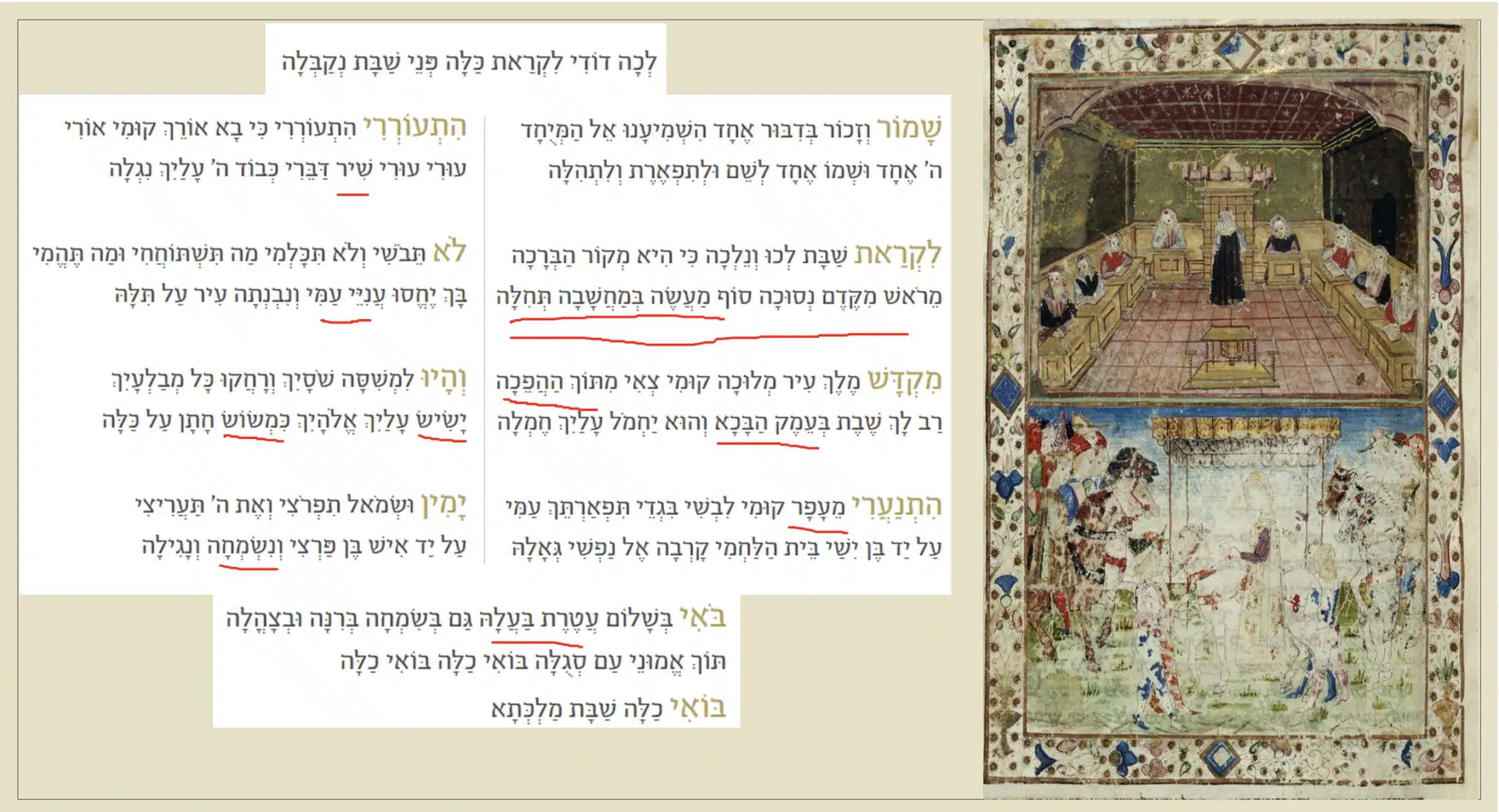
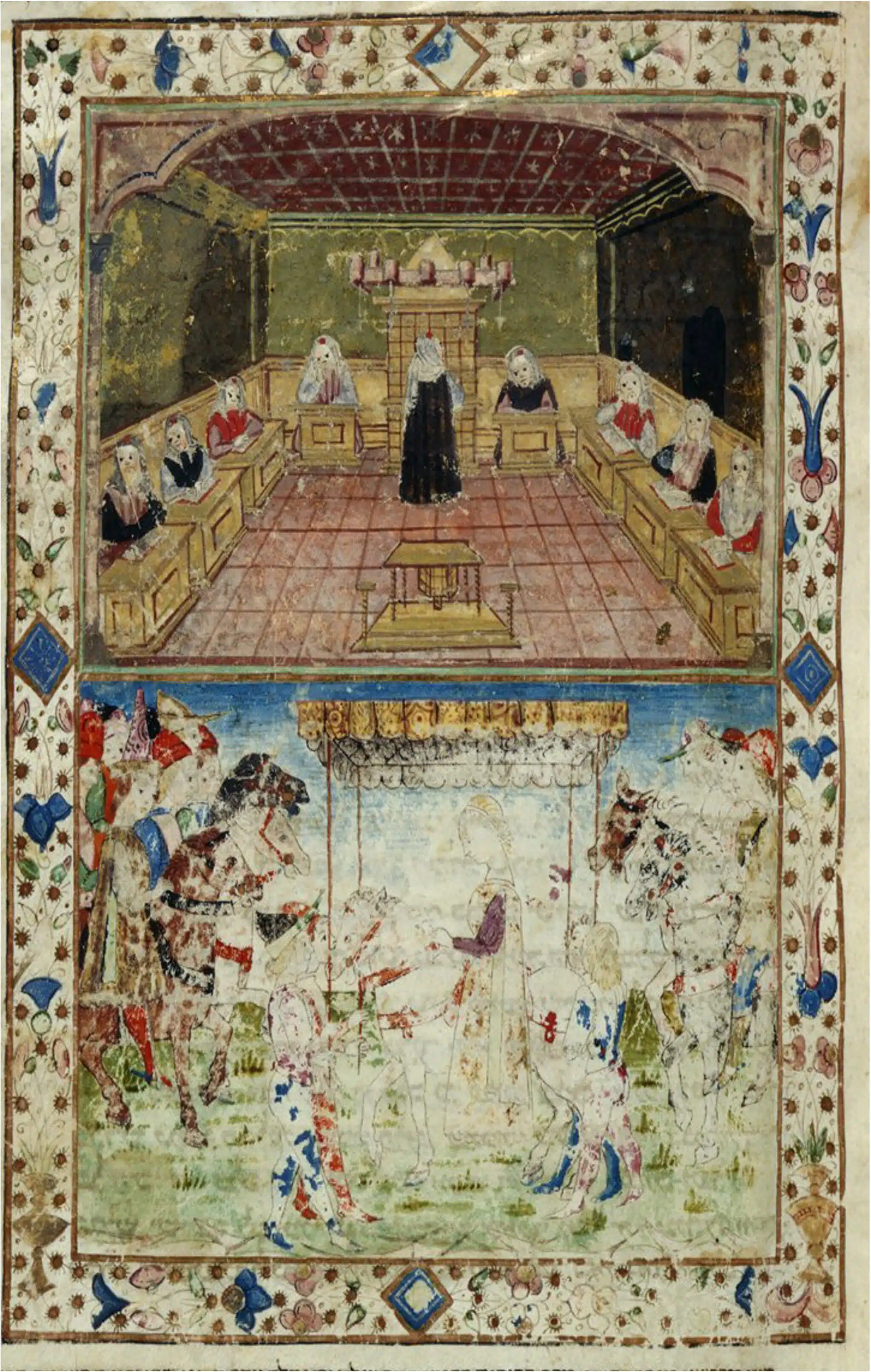
The Prayer of the Lekha Dodi/“Come, My Beloved,” composed by Rabbi Shlomoh Alkabets is the prayer welcoming Shabbat. Adopted by communities around the world, this prayer symbolizes the hope of Israel and the vision of the Kabbalists of Safed.
In this lesson, Ouri Safrai analyzes the famous song “ Lekha Dodi ” by Rabbi Shlomo Elkabetz. The historical context: the expulsion of the Jews from Spain in 1492 and the rise of the Ottoman Empire, which opened its doors to Jewish immigrants, changed the history of the Jewish world. Key figures such as Rabbi Yosef Karo and Rabbi Elkabetz emerged during this period, advocating for a return to the Land of Israel. The song “ Lekha Dodi ” illustrates the transition from exile to redemption—the Shekhinah’s journey from humiliation to glory.
A previously unpublished lecture by Ouri Safrai recorded for the Kabbalah Symposium in Safed
Safed’s Song of Hope
In a constantly changing world, it is crucial to look to history as a source of inspiration and wisdom. The story of Rabbi Shlomo El Kabetz and his influence on the Jewish community serves as a powerful example of how the past can shed light on our present and our future. This article aims to explore the key events of that era as well as the lasting impact of Rabbi Shlomo El Kabetz.
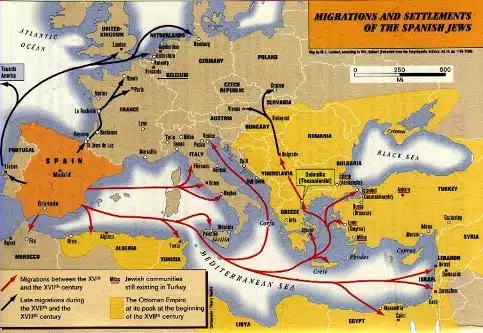
The Migration of Jews from Spain Between the 15th and 16th Centuries
The Expulsion of the Jews from Spain (1492): This tragic event marked a decisive turning point in Jewish history. The Jews, who had flourished in Spain for centuries, were forced to leave their homes, taking their rich cultural and intellectual heritage with them. This expulsion led to the dispersion of Jewish communities throughout Europe and the Mediterranean basin. At the same time, the Ottoman Empire, under the reign of Suleiman the Magnificent, was expanding rapidly. This expansion offered new opportunities to the expelled Jews, as the Ottoman Empire was relatively tolerant of religious minorities. The Jews found refuge in cities such as Thessaloniki and Istanbul, where they were able to rebuild their lives.
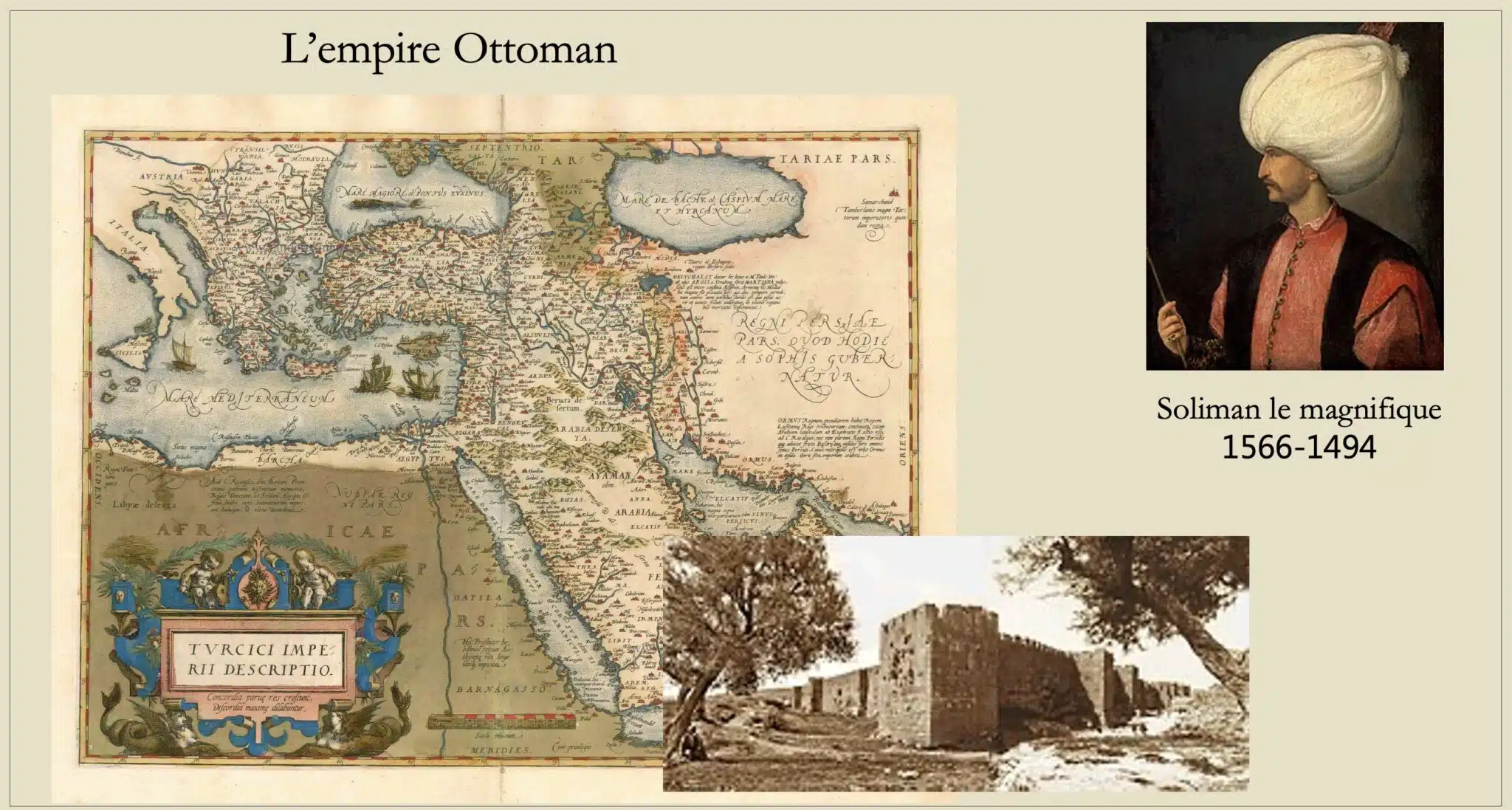
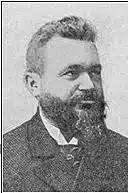
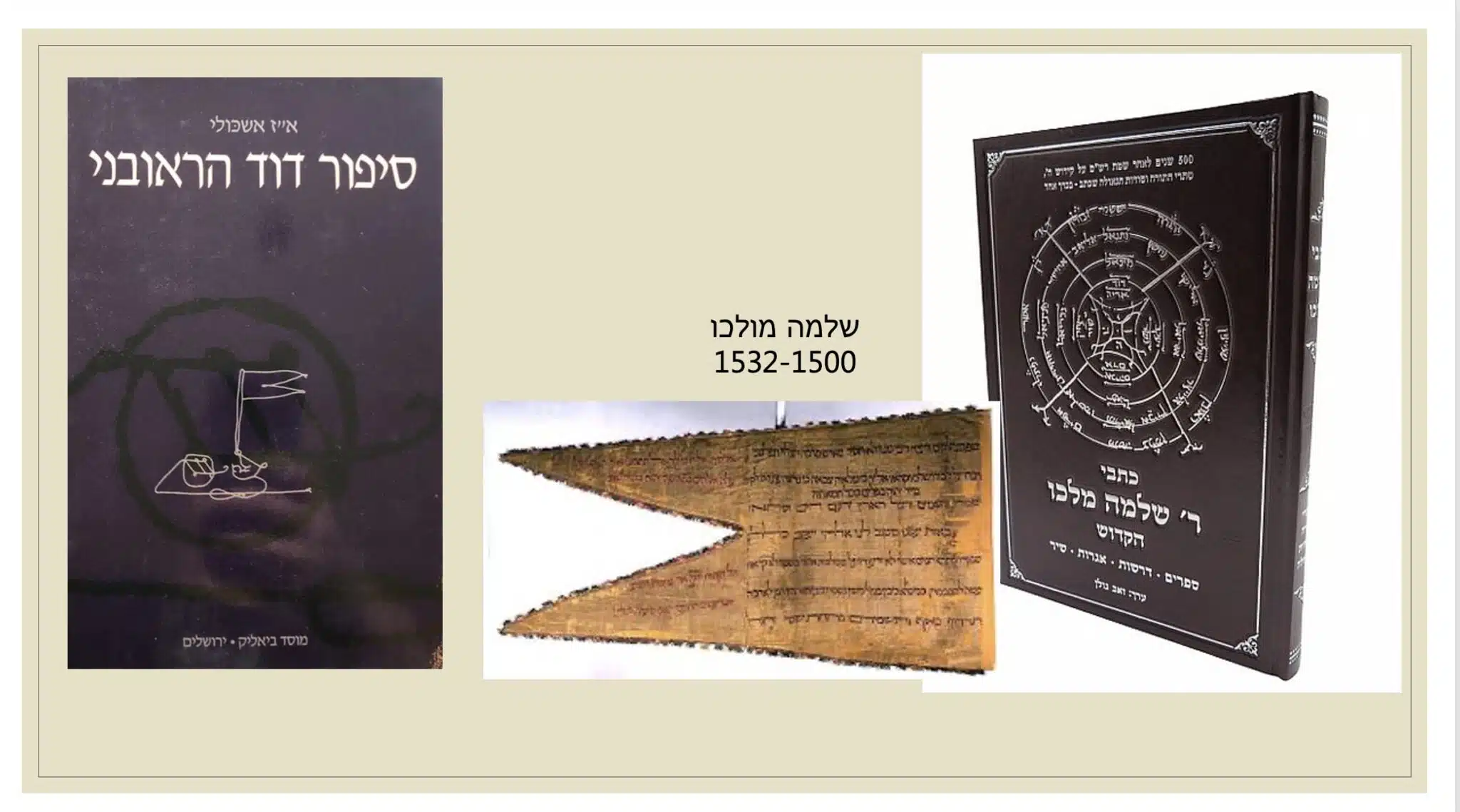
Born in Thessaloniki in 1505, Rabbi Shlomo Elkabetz grew up in an environment steeped in tradition and scholarship. He studied at the yeshiva of Rabbi Yosef Taytatsak, an influential center of learning that trained many of the sages of that era. He was deeply influenced by Shlomoh Molko, as well as by many other teachers of his generation, such as Rabbi Yosef Karo.
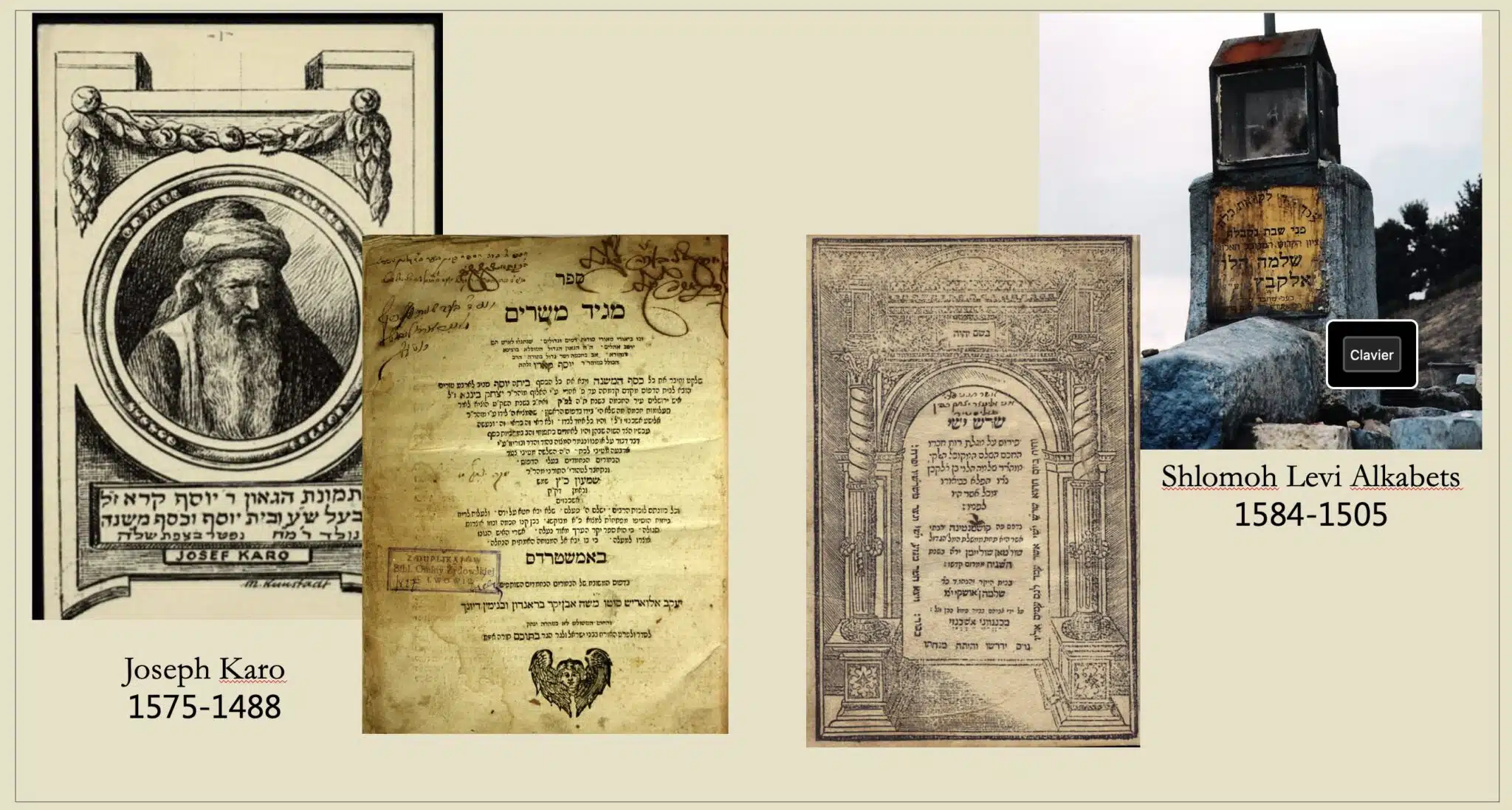
A Universal Hymn: “Lekha Dodi” has become an iconic Shabbat song, celebrated in Jewish communities around the world. This poem, whose acrostic spells out the author’s name, Shlomoh, is a call to welcome Shabbat with joy and hope. The poem embodies the idea of return and redemption, uniting Jews in their hope for a better future. It evokes the transformation of sorrow into joy, of exile into return, and of separation into unity.