Cette publication est également disponible en :
 Français
An Unpublished Text from the Zohar: The Light of Creation
The Zohar is a lengthy commentary on the Torah that explains the hidden meaning of the biblical text. This commentary, of rare complexity and great depth, is unlike any other. At times, it may resemble classical midrashic commentaries by establishing connections between verses and explaining one theme through another, but the Zohar goes far beyond the Midrash. Its interpretation of biblical verses and themes lends depth to every subject, a broader perspective to every word, and a higher dimension to every theme.
The composition of the Zoharic corpus means that what we call the Zohar today is a collection of texts assembled for the purposes of printing or historical record.¹ We can therefore isolate certain texts from the corpus and distinguish them by their particular language, content, or style. This is the case with the text we present here.
This text appears in the second volume of the Zohar on the Torah, in the Terumah section. Although a different version can be found in the Zohar on Ruth³, the version from the Terumah section appears to be the most complete. We present both versions here, as each offers distinct and complementary insights.
The text you are about to discover here is of rare narrative complexity. Interpretations intertwine and follow one another, shifting from one topic to another, from one verse to another, in a surprising sequence. It is the story of two teachers who happen to meet at an inn. In the middle of the night, they discuss a Torah topic that relates to the drama of their hosts, a father and his daughter. A mysterious son-in-law appears, taking up and expanding upon the topic explained by these masters to lead them from the light of Creation to the secrets of the seven blessings of the Bride. To do so, he will explore the genealogy of the letters in the name of the first man and the blessing over food. The thread connecting his teachings to the revelation of his identity—which will not be revealed until the end of the text by Rabbi Shimon bar Yochai himself—demonstrates the full power of the Zoharic text. Here we can see why the Zohar is called the Book of the Summit.
The lessons related to this unpublished text from the Zohar are available on our YouTube channel and on our course website.


Our Book Selection
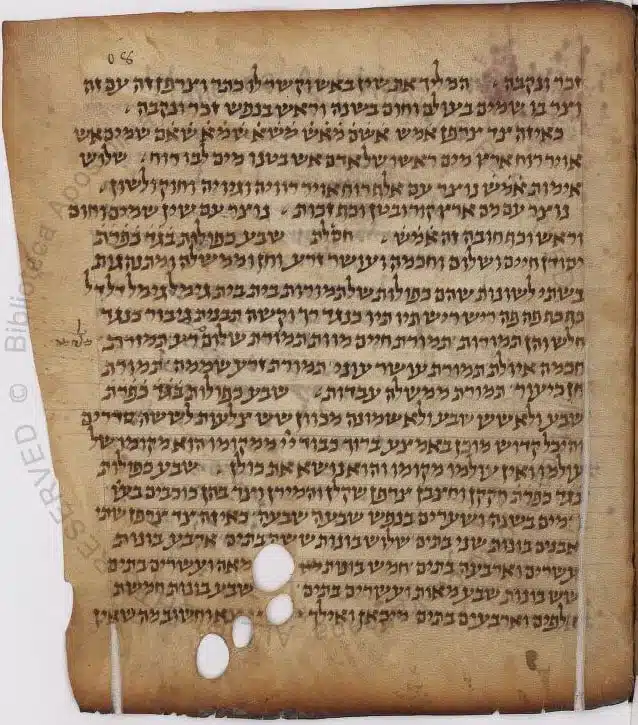
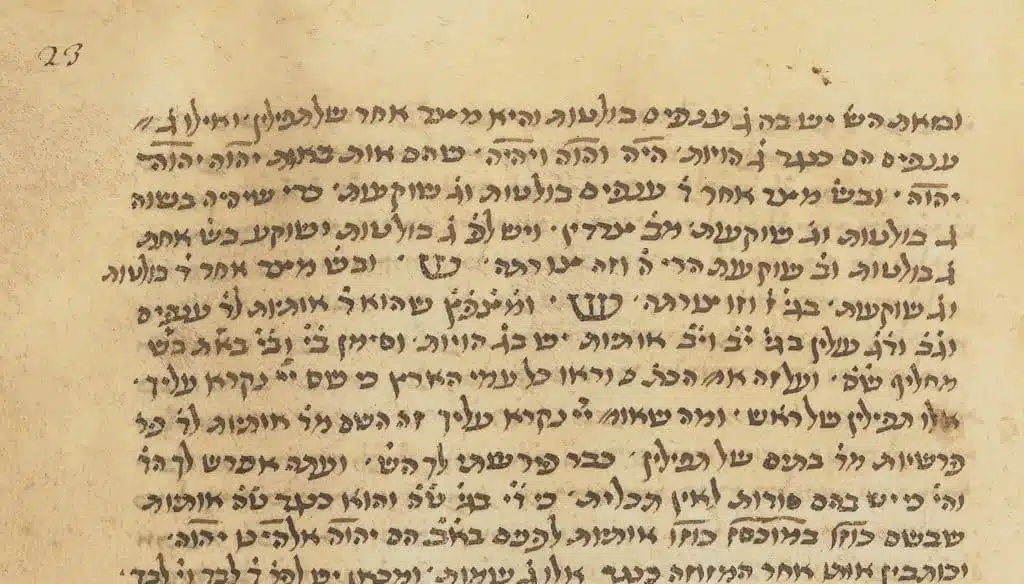
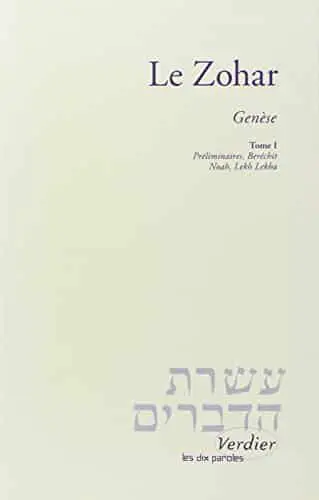
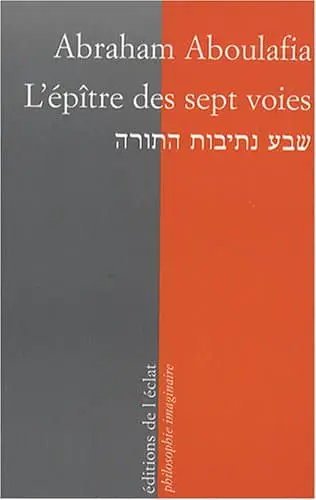
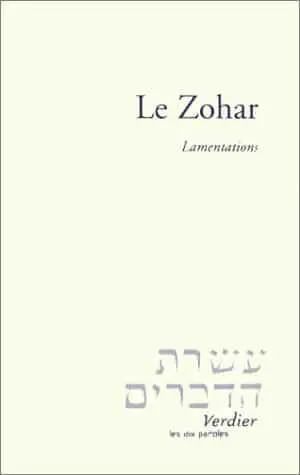
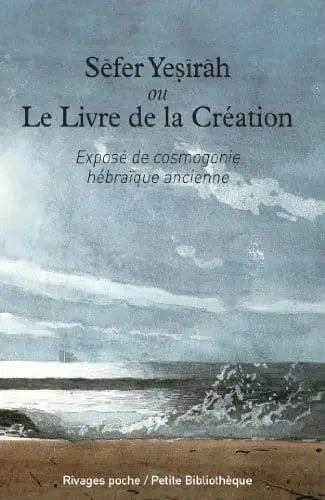

The Holy Land in the Age of the Kabbalists, 1492–1592
The Kabbalistic Legend of Yossef Della Reina
Introduction to the Book of the Zohar
The first word of *Bereshit*: “In the beginning.” The story of a misinterpretation
The light of the intellect Rabbi Abraham Abulafia
The Four Versions of the Sefer Yetsirah by Jean-Yves Legouas
Sefer Yetsirah, facsimile and translation of manuscript Heb.763
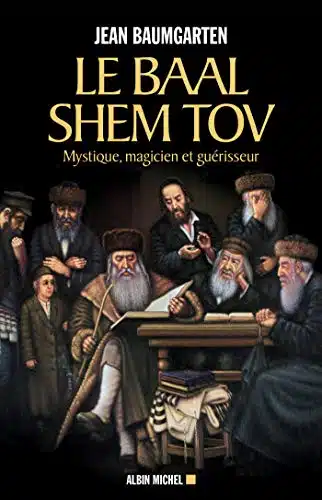
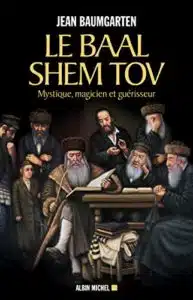
The Baal Shem Tov: Mystic, Magician, and Healer
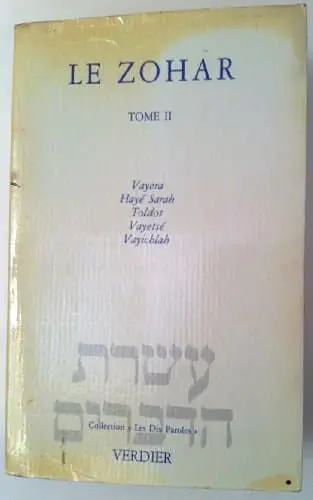
Zohar Mopsick, Volume III