Cette publication est également disponible en :
 Français
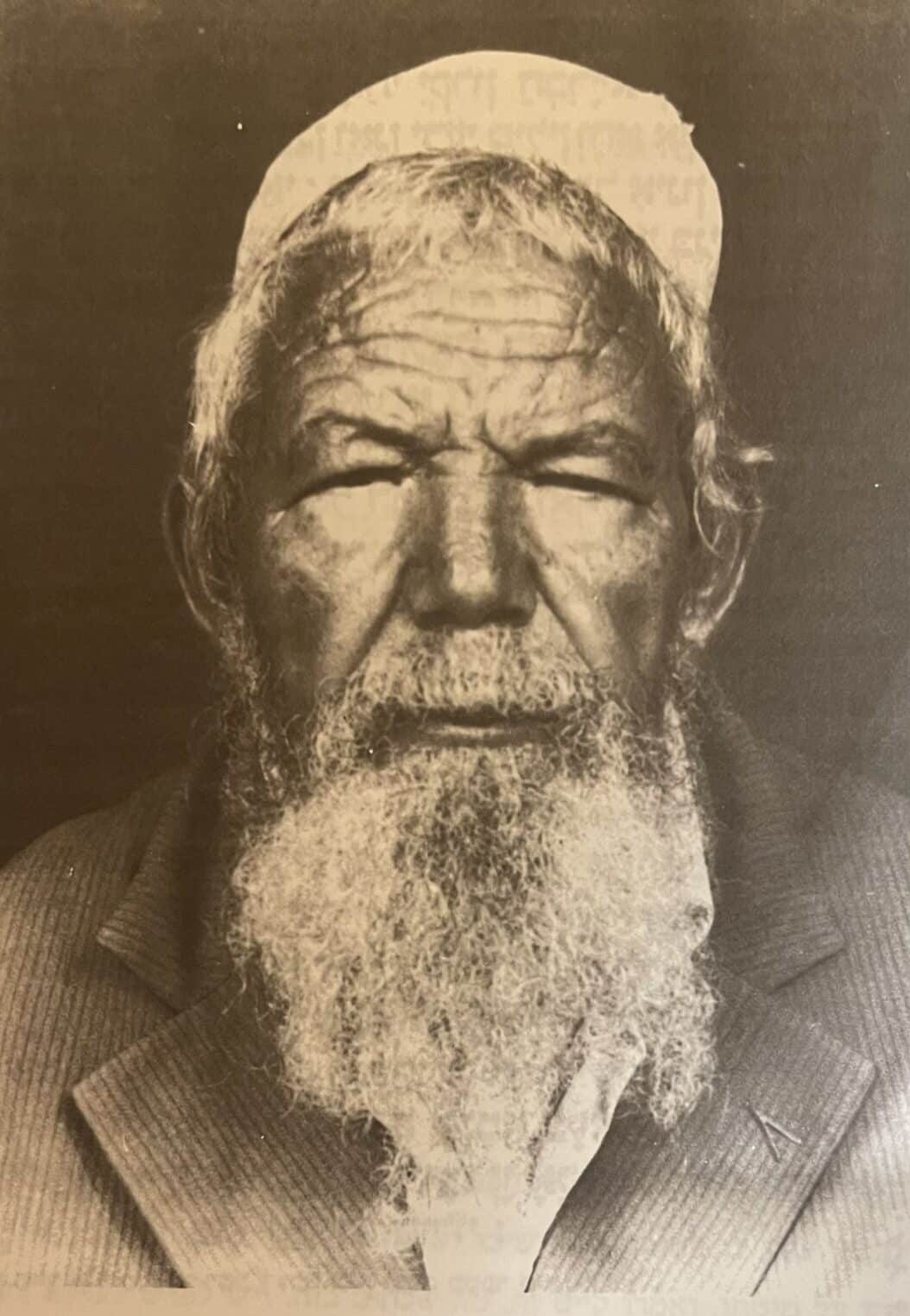
The world of the Zohar is populated by exceptional, extraordinary and often little-known characters. It was in a Safed synagogue, praying at dawn, that several years ago I discovered Rabbi Makhlouf Kalfa’s posthumous book, a concise and profound commentary on the Zohar written by a humble and discreet man.
Rabbi Makhlouf Kalfa was born in 1916 (תרע׳׳ו) in the Algerian Sahara, 500 km southeast of Algiers in the Souf region, in a place called El Oued Souf. where a Jewish community had lived for several centuries. He came to Israel from the Sahara in 1950 (תש׳׳י) and settled at Moshav Tlamim in the Negev until his death on June 19, 1988 (ד׳ תמוז תשמ׳׳ח). It was only after his death that his two sons, Yoel and Avner, had the notes that were in the margin of his copy of the Zohar published under the Title “The Orchard of RaMaKh“ פרדס להרמ׳׳ך (initials of Rabbi Makhlouf Kalfa). I had the honor of receiving a few copies of this book from his son Yoel, whom I thank and bless.
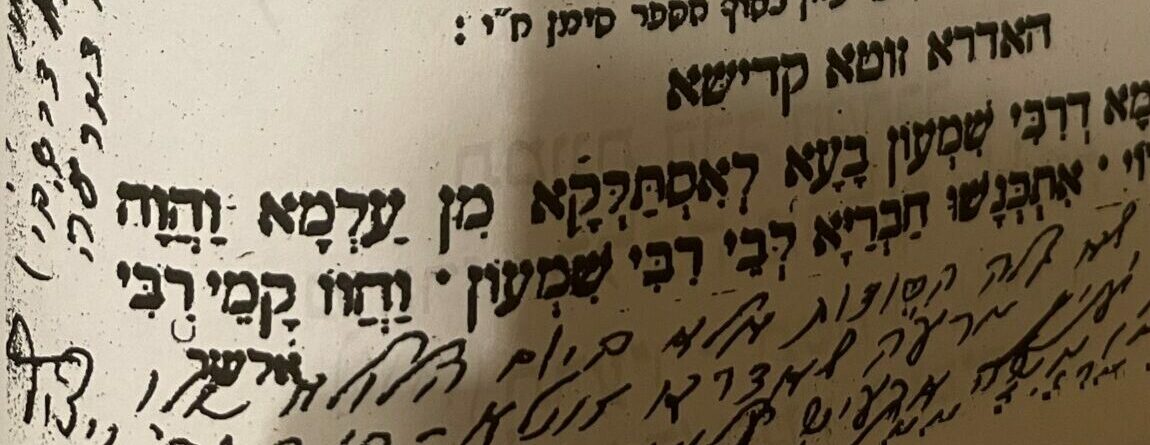
Rabbi Makhlouf Kalfa ‘s handwritten notes on his copy of the Zohar
According to the testimonies given in the introduction to the book, it was only in the last months before his accidental death that Rabbi Makhlouf Kalfa was recognized for his erudition in the Zohar, as well as for his many accomplishments. All his life, he was far from any religious or rabbinical position, living and working simply. There are very few contemporary commentaries on the text of the Zohar, but Rabbi Makhlouf Kalfa’s has the immense merit of being clear, concise and very profound, just like its author.
“Let my master go before his servant. And I will lead with my slowness at the foot of the work that is before me and at the foot of the children, until I come to my master in Seîr.”
(Genesis 33, 14)
This sentence uttered by Jacob after his confrontation with Esau marks the separation of the two brothers and the promise of a future meeting. The Zohar sees this as a messianic event. Rabbi Makhlouf Kalfa writes about this in his commentary.
“In my dream I asked the King Messiah; when will you come? He answered, “And I will lead with my slowness to the foot of the work that is before me and to the foot of the children. This answer was given to me in the presence of the prophet Elijah, of blessed memory.”